Ask a Rehabber!
Each month in our e-newsletter our rehabilitation staff will be highlighting our most frequently asked questions here at the center. February 9-15th was “Homes for Birds Week” so this month is focused on questions around bid houses, birdbaths, and best practices for cleaning communal bird spaces!
Question: Are certain bird houses better than others? What should I look for?
Answer: Choosing a bird house depends on what kind of bird you want to attract! Most bird houses will only be attractive to cavity nesters – birds that make their nests inside holes in trees (or houses!). The size of the opening, as well as the size and shape of the house, will determine what size bird moves in.
Placement of a bird house is critical, and will depend on your location and what type of weather you get in the spring and summer. If you live in a cooler climate, you may want to make sure your bird house gets plenty of morning sun, but has some shade later in the day when temperatures rise. If you live in a warmer climate, you’ll want to make sure your bird house is protected from direct sunlight through most of the day, to prevent the cavity from getting too hot. You can place a thermometer in your bird house and check the temperature throughout the day (as long as no one is living in it!) to get a good idea if the location is ideal for nesting birds. The nest and the parents should help keep warmth in, but you don’t want it getting too hot or the chicks may fledge early. Proper ventilation is also key.
Finally, the most important aspect of a bird house is a door for cleaning! Birds are not known for cleaning up after themselves, and most songbirds will not reuse an old nest from a previous year – they prefer to build a new one each season, made to their exact specifications. The door on your bird house must open wide enough to be able to completely remove the old nest, and to disinfect the inside of the house. This will not only make the house more inviting for next year’s guests, but also help prevent the spread of disease and parasites. Any disinfectant will work, but make sure to let the chemicals fully dissipate before hanging the house back up.

Question: What is the best method for cleaning outdoor bird feeders and bird baths?
Answer: Bird feeders and bird baths should be cleaned and disinfected at least once per week. Hummingbird feeders should be cleaned every three days, at minimum, as the sugars in the hummingbird food promote bacterial growth. This involves emptying the feeder or bath, washing it with warm soapy water, and thoroughly applying a disinfectant to all surfaces. Let the disinfectant work for the allotted amount of time (usually 10-15 minutes), then wipe the feeder or bath down and give it a good rinse with clean water. Leave the feeder or bath to dry fully in the sun, to help any leftover chemicals dissipate before refilling with food or water.
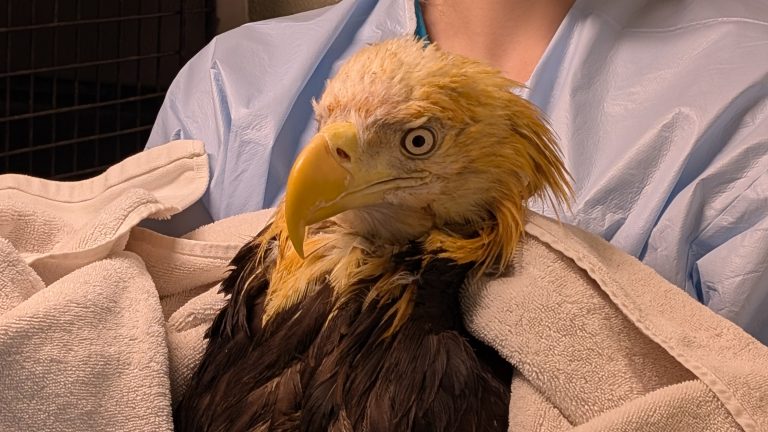
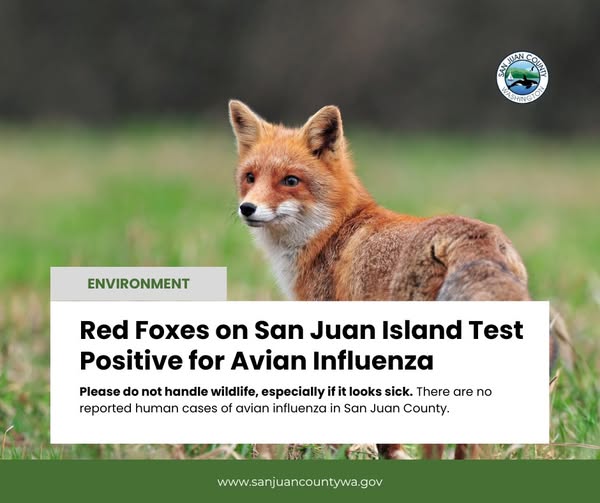
If you notice any birds around your feeder or bath looking disheveled or ill, we recommend removing the feeder or bath for at least a couple of weeks, as this communal food or water source will promote the spread of disease to other birds. If complete removal is not an option, the bird feeder or bath should be cleaned and disinfected every day to keep diseases at a minimum. At any signs of illness contact your local wildlife rehabilitator.